
It's Not About More Blades - It's About the Right Blade
Whether you're assembling your first FPV quad, refining a scale warbird or squeezing every ounce of performance from a heavy-lift multirotor, few upgrades have as much influence on the way an aircraft flies as its propeller.
Three blades must be better than two… right?
It's one of the most common assumptions in RC aviation - and one of the biggest misconceptions. While adding another blade can increase thrust and improve handling, it also affects efficiency, speed and power consumption. The real question isn't how many blades you have, but whether you've chosen the right propeller for the job.
The good news? Once you understand the strengths of each configuration, choosing the right prop becomes much simpler.
Looking Beyond the Blade Count
For a fair comparison, let's assume both propellers share the same diameter, pitch, motor, battery and overall design. The only variable is the number of blades.
From there, the differences become surprisingly clear.
Thrust
A 3-blade propeller has approximately 50% more blade area than a 2-blade prop. That additional surface allows it to "grab" more air, typically generating 10–25% more thrust at the same RPM.
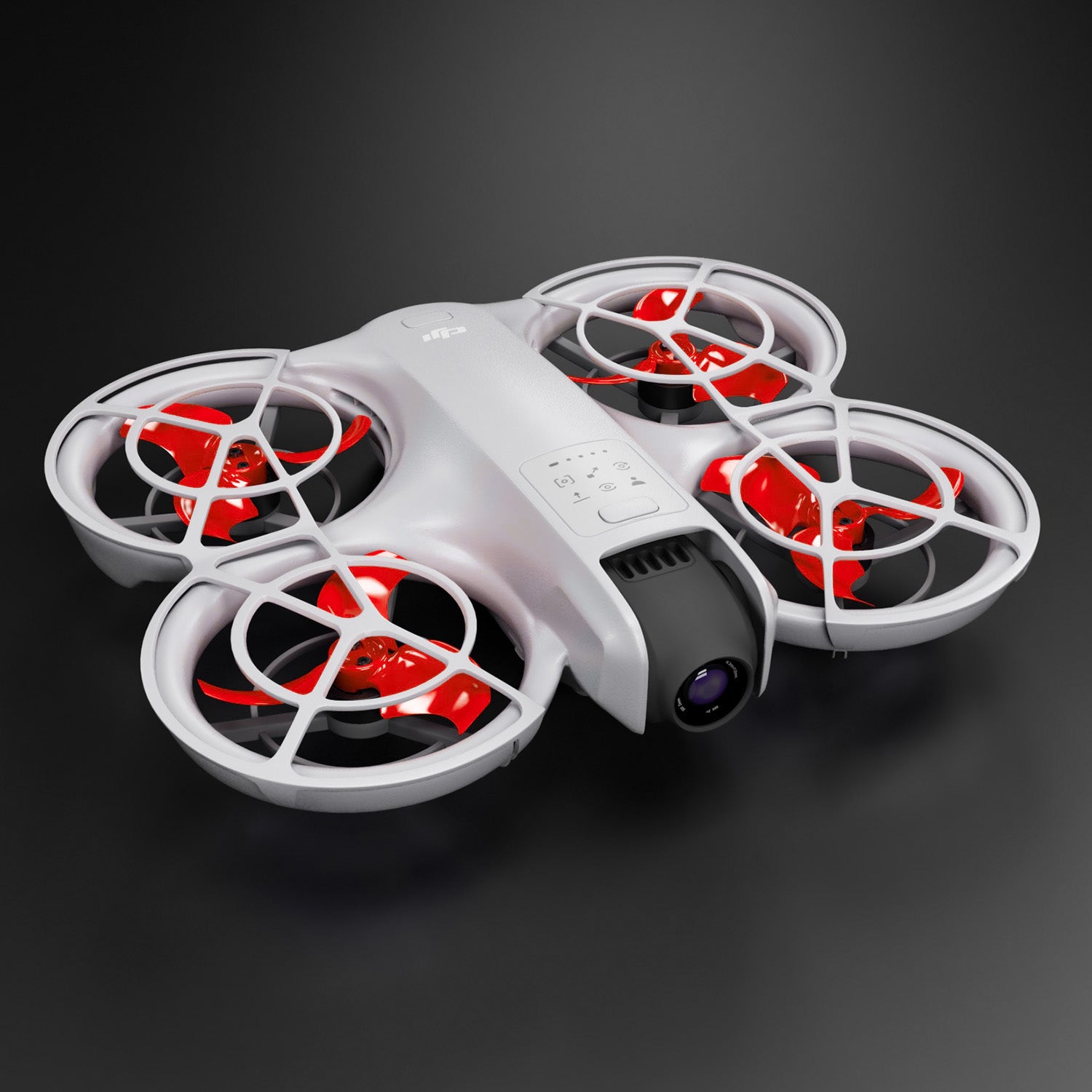
In practical terms, this means stronger take-offs, more stable hovering, improved climb performance and better lifting capability when carrying cameras or heavier payloads. It's no coincidence that many cinewhoops and heavy-lift multirotors rely on 3-blade propellers.

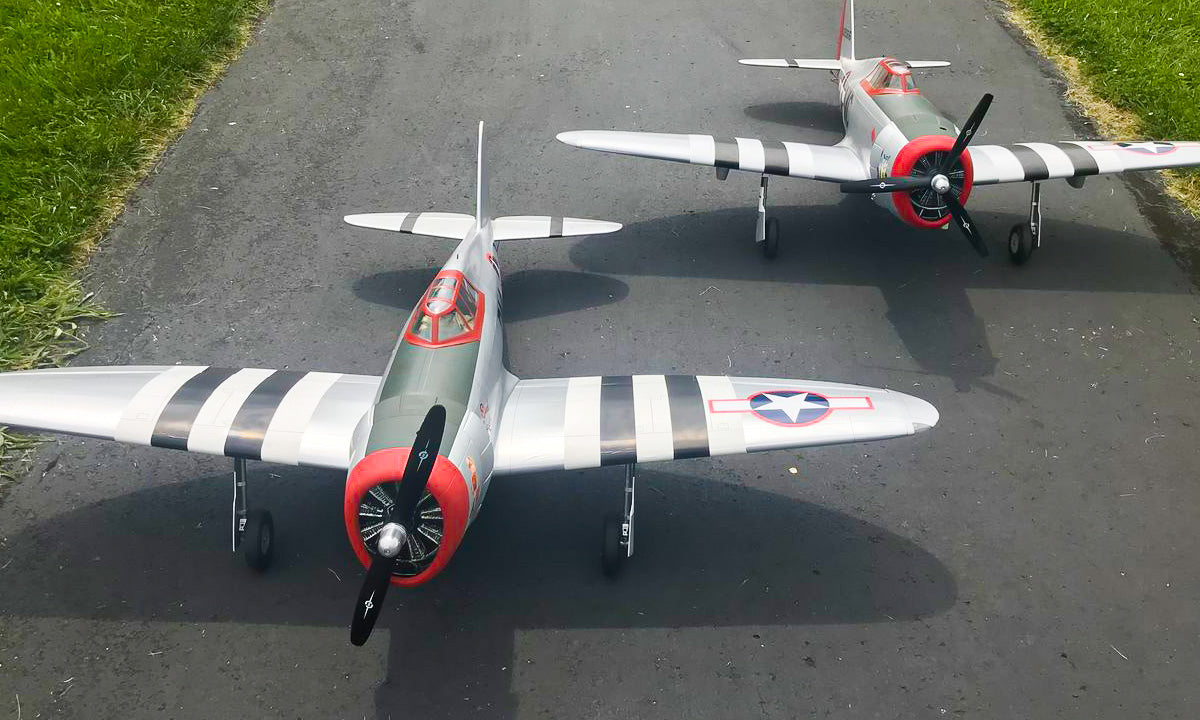
Photo courtesy of Jerry Faughn
Power Consumption
The downside of that extra blade area is increased aerodynamic drag.
Because the motor has to work harder to turn a 3-blade propeller, current draw generally increases by around 10-30%, depending on the specific propeller design. Higher current draw also means greater battery consumption and more motor heat, making power system matching especially important.
Top Speed
This is where many pilots are caught by surprise.
Since a 2-blade propeller creates less aerodynamic resistance, the motor can usually achieve a higher RPM. Higher RPM translates into greater pitch speed, giving the aircraft a slightly higher maximum airspeed.
For racing aircraft and speed-focused builds, even a small increase in top speed can be worth having.

Photo courtesy of Chris Anderson
Handling and Responsiveness
While the 2-blade may edge ahead in outright speed, the 3-blade shines when it comes to control.
The additional blade area allows thrust to build and change more quickly, giving noticeably faster throttle response, stronger braking authority, more confident cornering and improved stability in turbulent air. At lower airspeeds, control also feels more positive and predictable.
That's one of the reasons freestyle FPV pilots often describe tri-blade propellers as making the aircraft feel more "locked in" during aggressive manoeuvers.

Photo courtesy of Jay Miller
Efficiency and Flight Time
Efficiency has long been one of the biggest advantages of a 2-blade propeller.
Every blade generates induced drag and tip vortices. Adding a third blade inevitably increases these aerodynamic losses, meaning more power is required to produce the same amount of thrust.
The reward for sticking with two blades is longer flight times, lower current draw, cooler-running motors and, in most applications, slightly quieter operation. That's why endurance drones, long-range FPV platforms and many fixed-wing aircraft continue to favour 2-blade propellers.

Photo courtesy of Jemmy Suushun Lin
A Useful Rule of Thumb
Still thinking of making the change from a 2-blade to a 3-blade propeller for your RC airplane?
A good starting point is to reduce the 2-blade propeller diameter by one inch and either reduce the pitch by one inch or keep the original pitch unchanged. This helps offset the additional blade area and prevents overloading the motor.
While every power system responds a little differently - and real-world testing is always recommended - this simple guideline has proven itself over countless model aircraft setups.

Photo courtesy of Ronald Eldridge
Choosing the Right Propeller
If your priorities are maximum efficiency, longer flight times, lower current draw, generally quieter operation and the highest possible top speed, a 2-blade propeller is usually the best choice. It's the natural fit for long-range FPV, endurance aircraft, fixed-wing models and speed-oriented builds.
On the other hand, if you're after stronger thrust, faster acceleration, sharper handling and improved performance while carrying weight, a 3-blade propeller is difficult to beat. That's why they're so popular on freestyle quads, cinewhoops, heavy-lift multirotors and other aircraft where responsiveness matters most.
Final Thoughts
The best propeller isn't determined by how many blades it has - it's determined by how well it matches your aircraft and your flying style.
A 2-blade propeller rewards efficiency, speed and endurance. A 3-blade propeller delivers greater thrust, sharper response and increased control. Understanding these trade-offs allows you to make informed decisions and get the very best performance from your power system.
If you're still unsure which propeller is the best fit for your aircraft, we're here to help. The team at Master Airscrew has decades of experience helping RC pilots choose the right propeller for everything from sport models and scale aircraft to FPV racers and heavy-lift platforms. Get in touch - we'll be happy to point you in the right direction and help you get the most from your next flight.



Leave a comment
All comments are moderated before being published.
This site is protected by hCaptcha and the hCaptcha Privacy Policy and Terms of Service apply.